




Fly Fishing Techniques Every Angler Should Know
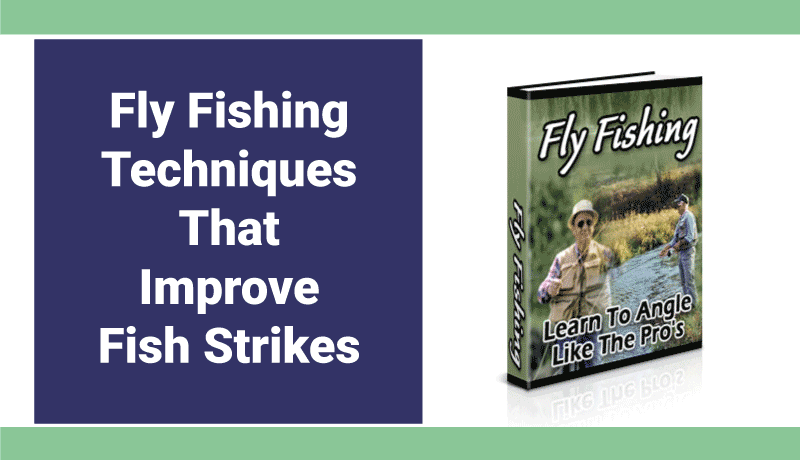
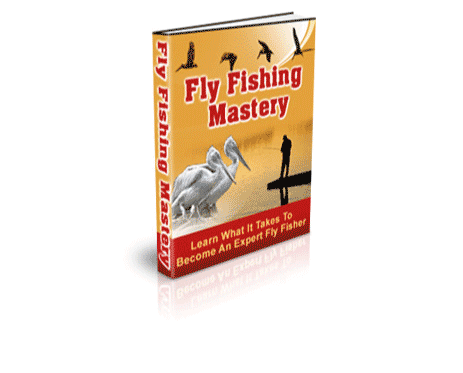
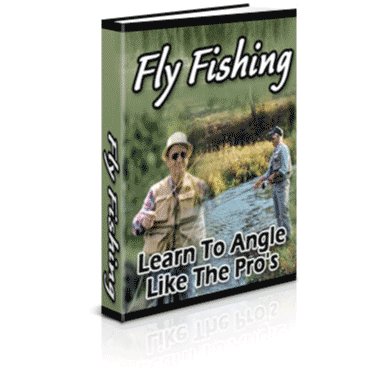
This e-book is designed to help anglers move beyond trial and error and develop reliable skills on the water. At its core, it focuses on fly fishing techniques that improve accuracy, efficiency, and overall enjoyment of the sport. Rather than overwhelming readers with jargon, the book’s objective is to present clear, practical instruction that helps beginners and intermediate anglers build confidence and consistency.
Table Of Content
Understanding Gear, Setup, and Technique Alignment
One of the book’s primary goals is to explain how proper equipment selection supports better performance. Rods, reels, lines, and leaders must work together in harmony for techniques to be effective. The book shows how incorrect setup can limit progress, while proper alignment allows fly fishing techniques to feel natural rather than forced. This foundational understanding helps anglers troubleshoot problems before they become habits.
Casting Techniques That Improve Accuracy and Control
Casting is a major focus of the book, as it directly affects presentation and success. Readers are guided through timing, rod movement, and line control in a step-by-step manner. Emphasis is placed on smooth motion rather than power, helping anglers achieve longer, more accurate casts with less effort. Mastering these fly fishing techniques allows anglers to adapt to different water conditions with confidence.
Reading Water and Adapting to Fish Behavior
Another key objective of the book is teaching anglers how to observe their surroundings. Understanding currents, structure, and feeding zones helps anglers place flies where fish naturally hold. The book explains how fish behavior changes based on water temperature, light, and insect activity. Applying fly fishing techniques in response to these factors turns fishing into a deliberate process rather than guesswork.

Fly Selection and Presentation Strategies
Choosing the right fly is only part of the equation; how it is presented matters just as much. The book explains how drift, depth, and movement influence strikes. Readers learn how to match insects and adjust presentation to reflect natural behavior. These fly fishing techniques help anglers increase effectiveness without constantly changing flies.
Flower Gardens and the Art of Natural Beauty
Ethics, Conservation, and Responsible Angling
Beyond skill development, the book emphasizes respect for nature and fellow anglers. Proper handling of fish, awareness of local regulations, and consideration for shared waters are presented as essential responsibilities. By practicing fly fishing techniques responsibly, anglers contribute to conservation and ensure the sport remains sustainable for future generations.
Conclusion:
This e-book serves as a comprehensive learning resource for anglers who want steady improvement. Its objective is not quick success, but long-term mastery through understanding and repetition. By applying proven fly fishing techniques with patience and awareness, readers can enjoy greater success, deeper satisfaction, and a stronger connection to the sport.