






Fly Fishing Tips Every Beginner Should Know
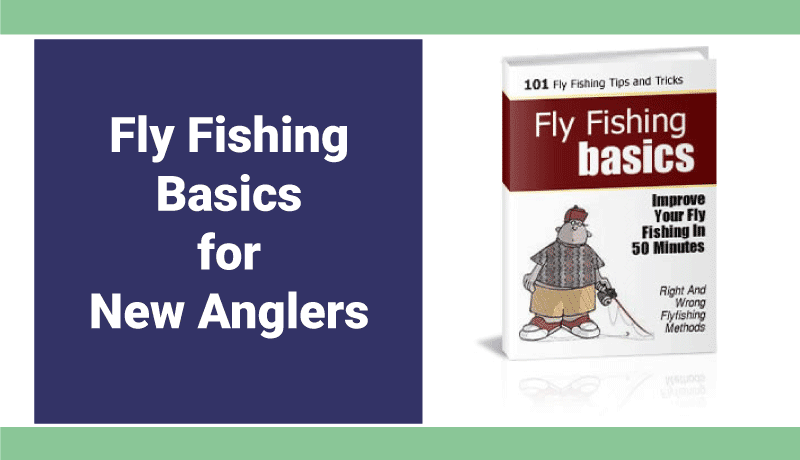
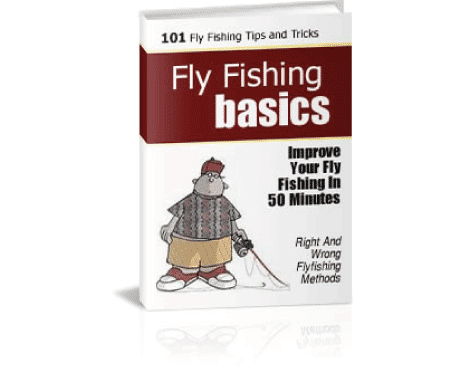
This e-book was created to help newcomers confidently step into one of the most rewarding outdoor sports. Fly Fishing combines skill, patience, and an understanding of nature, making it both a technical pursuit and a relaxing experience. The book’s primary objective is to shorten the learning curve for beginners by presenting practical tips, essential knowledge, and proven techniques that build confidence on the water.
Table Of Content
Understanding Equipment, Gear, and Setup
A major focus of the book is introducing readers to the tools required to get started. Rods, reels, fly lines, leaders, and flies are explained in clear, beginner-friendly terms. The book helps readers understand how each piece of equipment works together, eliminating confusion often faced by first-time anglers. By mastering the basics of Fly Fishing gear, beginners are able to make informed purchases and avoid common setup mistakes.
Mastering Casting Techniques and Line Control
Casting is one of the most critical skills covered in the book. Step-by-step guidance explains proper hand positioning, timing, and body movement. Readers learn how controlled motion and rhythm replace brute force, leading to smoother, more accurate casts. This section emphasizes that effective Fly Fishing is built on technique rather than strength, allowing anglers of all ages to improve quickly.
Reading Water and Understanding Fish Behavior
The book also teaches readers how to observe rivers, streams, and lakes to identify where fish are likely to feed and rest. Concepts such as currents, structure, and insect activity are explained so anglers can position themselves strategically. Understanding fish behavior allows Fly Fishing efforts to become intentional rather than random, increasing success while reducing frustration.

Choosing the Right Flies and Matching the Hatch
Another key objective of the book is helping beginners select the correct flies for different conditions. Readers learn how insects, weather, and seasons influence feeding patterns. The book simplifies fly selection by teaching anglers how to match local insects rather than memorizing endless patterns. This practical approach makes Fly Fishing more accessible and enjoyable for beginners.
Self Motivation Strategies That Actually Work
Safety, Etiquette, and Conservation Practices
Beyond technique, the book emphasizes responsible angling. Safety tips, river etiquette, and conservation practices are outlined to ensure a positive experience for both anglers and the environment. Readers are encouraged to respect wildlife, fellow anglers, and natural habitats. These principles reinforce Fly Fishing as a sport rooted in stewardship and appreciation of nature.
Conclusion:
This e-book serves as a comprehensive starting point for anyone interested in learning the sport. Its objective is to equip beginners with the knowledge needed to enjoy consistent progress without feeling overwhelmed. By mastering the fundamentals, Fly Fishing becomes less intimidating and more fulfilling, allowing anglers to focus on the experience, the environment, and the satisfaction of continual improvement.